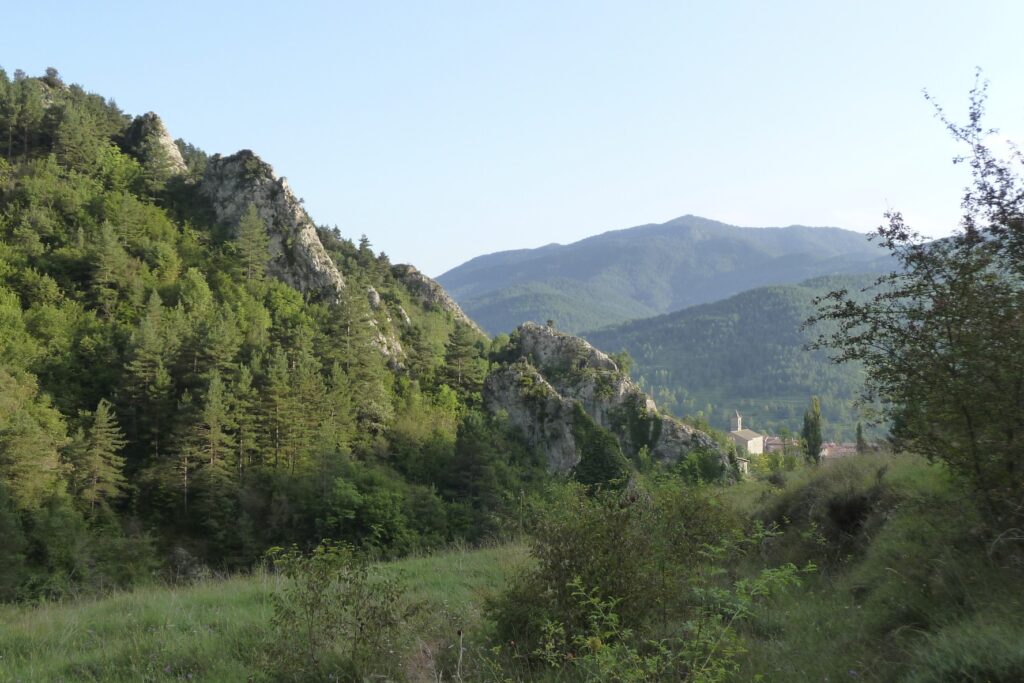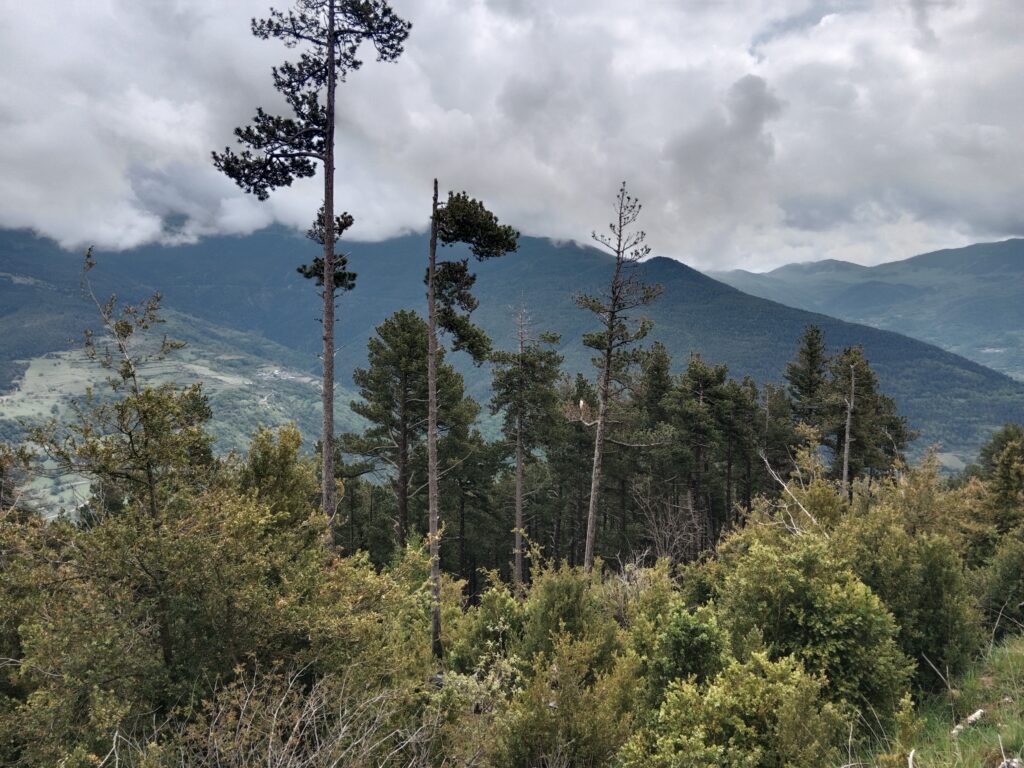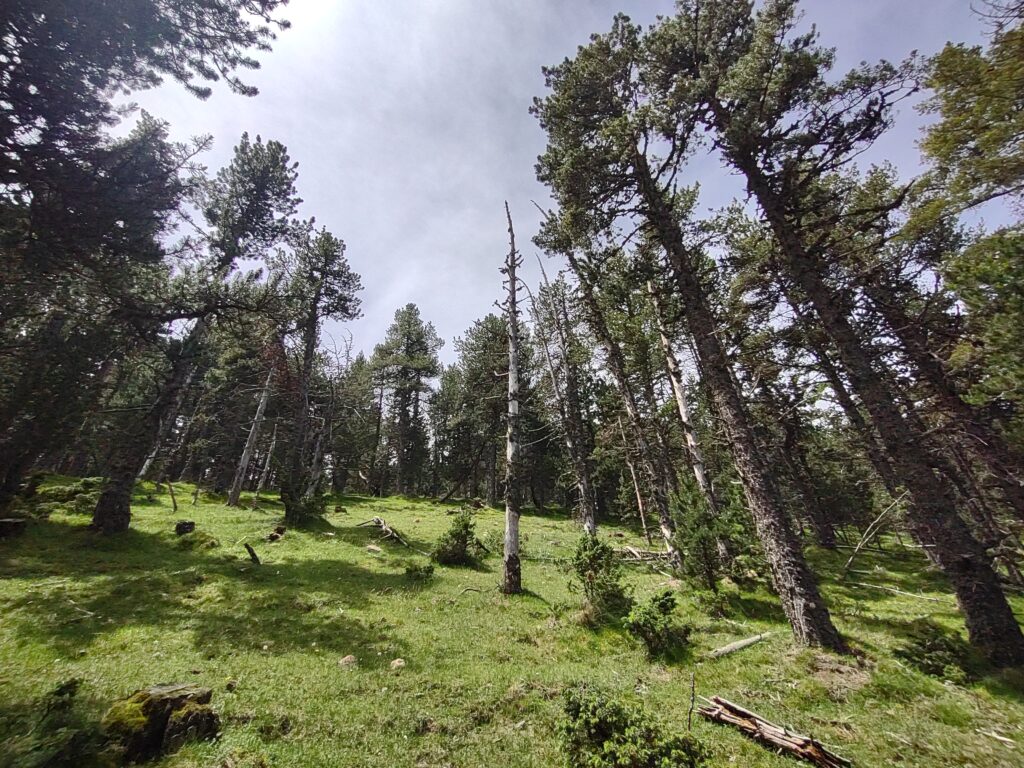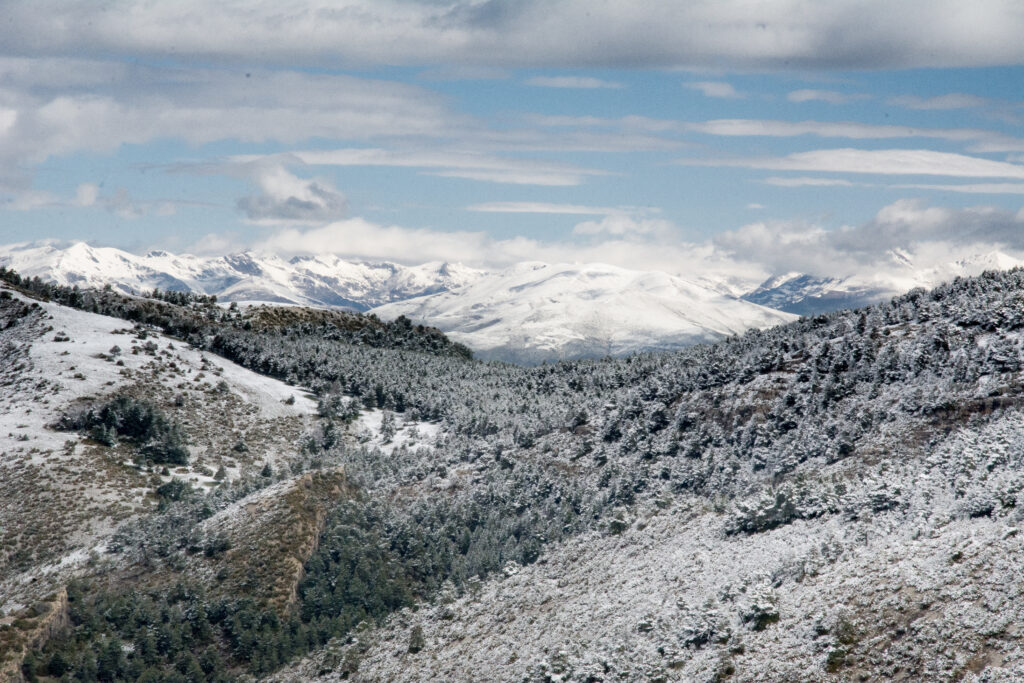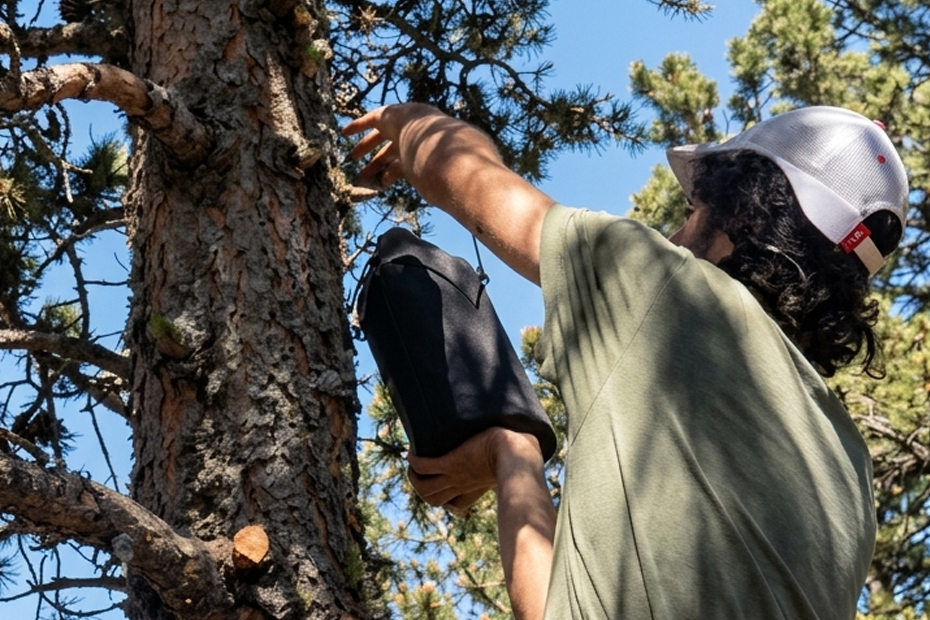
The action incorporates three box models adapted to the whiskered bat, the brown long-eared bat and the European forest bat, with the aim of compensating for the lack of natural cavities.
The European LIFE UNCINATA* project has installed a network of artificial shelters intended to promote the presence and conservation of three bat species linked to mountain forest ecosystems. The action aims to increase the availability of suitable spaces so that these mammals can shelter, rest and reproduce in the Pyrenean forests.
The intervention has involved the installation of three different models of bat boxes, each of which has been selected considering the biological characteristics and specific requirements of the species for which it is intended. Specifically, the action focuses on the whiskered bat (Myotis mystacinus), the brown long-eared bat (Plecotus auritus) and the European forest bat (Barbastella barbastellus).
With this differentiation, the project seeks to provide more suitable shelters for each species and increase the chances that the new devices will be located and used by bats.
A response to the lack of natural cavities
The availability of cavities is an important factor in the conservation of forest bats. These animals need protected spaces where they can rest, shelter from weather conditions and, at certain stages of their life cycle, reproduce and establish colonies.
The installation of artificial shelters has the main objective of compensating for the lack of suitable natural cavities in the forest areas where the action has been carried out. The boxes do not replace the forest’s natural processes, but they can provide complementary shelters while more favorable forest conditions for these species are promoted.
The action will also make it possible to obtain information on the use bats make of the different installed models. For this reason, technical monitoring will be essential to determine whether the boxes are occupied, identify which species use them and assess the effectiveness of the measure.
The first occupations expected for the next summer season
The technical team responsible for monitoring expects that the first results may be observed during the coming months. It is expected that, from the next summer season onwards, some individuals or colonies will begin to occupy the installed shelters.
This occupation, however, cannot yet be considered confirmed. The results will depend on the bats’ ability to locate the new shelters and on the suitability of each box to the specific conditions of its surroundings. Subsequent inspections will make it possible to determine the degree of use of the network and, where appropriate, introduce adjustments to the location or characteristics of the devices.
The monitoring will also help to better understand the response of the three species to this type of action and will provide useful information to guide future conservation measures in mountain forests.
Bats as indicators of forest quality
The installation of the shelter’s forms part of the biodiversity conservation actions promoted by the LIFE UNCINATA* project. The initiative considers bats to be a relevant faunal group for assessing the conservation status of black pine forests, since their presence is linked to the availability of shelters and to the ecological conditions of the forest habitat.
The action therefore seeks to directly benefit the three selected species and, at the same time, strengthen knowledge of the biodiversity associated with Pyrenean forests. The network of bat boxes thus becomes a complementary tool within a broader strategy for the conservation and monitoring of mountain forest ecosystems.
With this measure, the LIFE UNCINATA* project advances the improvement of habitat conditions for forest fauna and highlights the importance of conserving not only the trees, but also the structures, cavities and natural processes that allow forests to host rich and diverse biodiversity.